How to Start Creating
Now first of all, I don’t have any kind of a formal art education. The following is not career advice. Personally, I got into this purely out of passion, and I’m entirely self-taught. Any income and status that comes as a byproduct is just a bonus. But, so many people ask me this question - where to start? So, I’ve decided to do my best in writing this article. In a way, it’s advice that would save me a lot of time, if I were to read it myself, 10-15 years ago. So…
How to even start as a visual artist, if you have no background?
If you're wondering where you would even get started if you wish to create images or photos that are somewhat similar to what you see on my pages, or scratch that, if you just wish to get into this type of content creation in the first place, I'm going to try to give you a good foundation to start from.
What you need, obviously, are equipment, technical skills, and creative skills.
I've already talked about how to choose a camera. I've talked about some of the technical aspects of editing on my tutorials channel. And in this article I'm going to talk more about the creative side of things and the philosophy behind it.
The Difference Maker
But before we get into any of that, I think it's important to understand what actually makes somebody good at this.
The good news is that technology is now so advanced that equipment is no longer the thing that separates people.
Most people have access to a decent camera. In fact, these days you don't even necessarily need a camera at all because of AI. Images can just be generated.
I'm not advising you to do that, because AI art is mostly trash and lacks a soul, but that’s not the point. My point is simply that access to equipment isn't really the bottleneck anymore. Even a $200 phone has a camera. A $50 Digicam from 2010 takes cool photos, hell it even has some awesome retro flair that some people actively seek out. Including myself. I actually really like the old digicam look.
Because art’s never been about ultimate quality and sharpness.
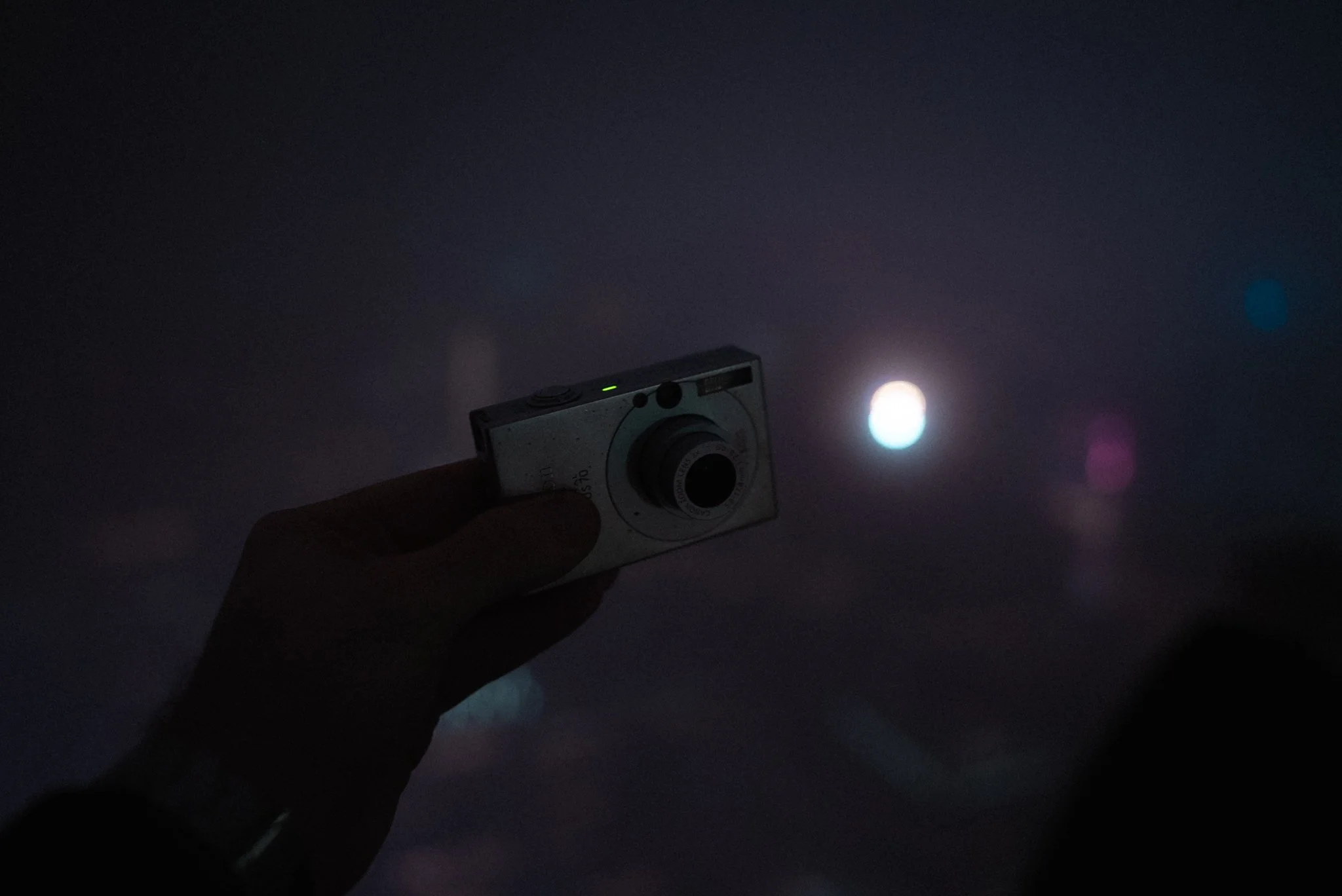
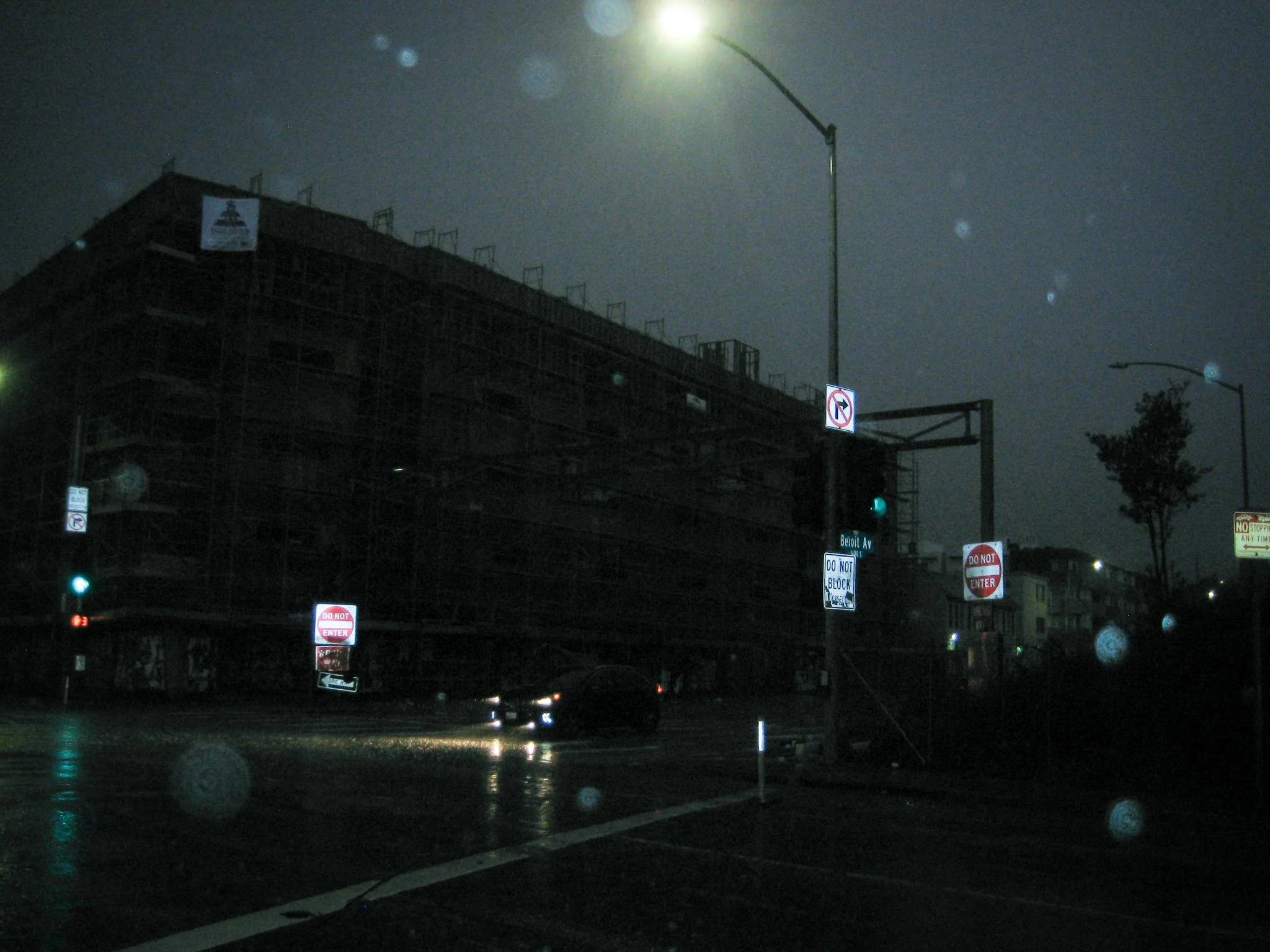
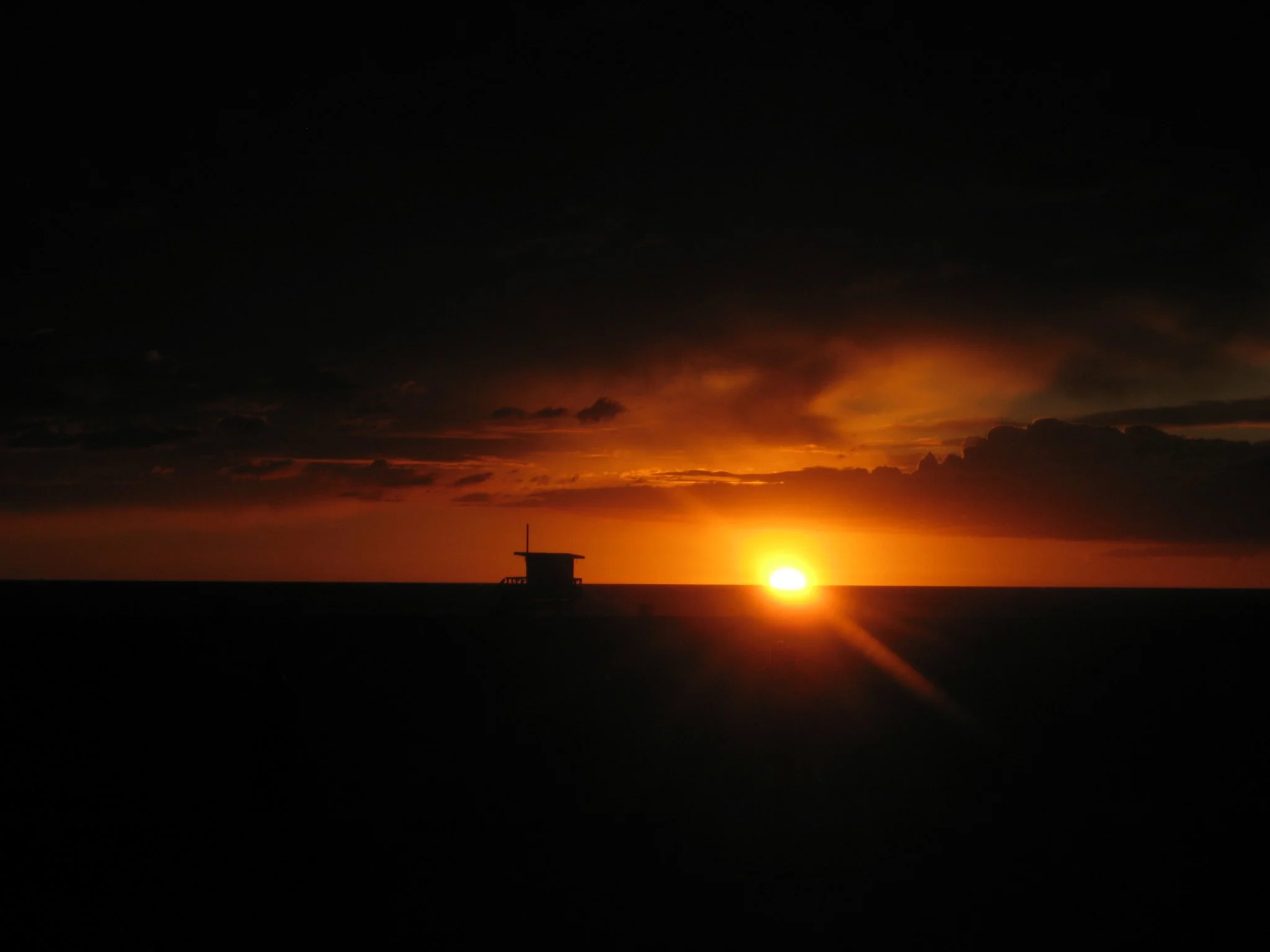
my digicam, originally released in 2007. Below is a few example shots that I’ve taken with it:
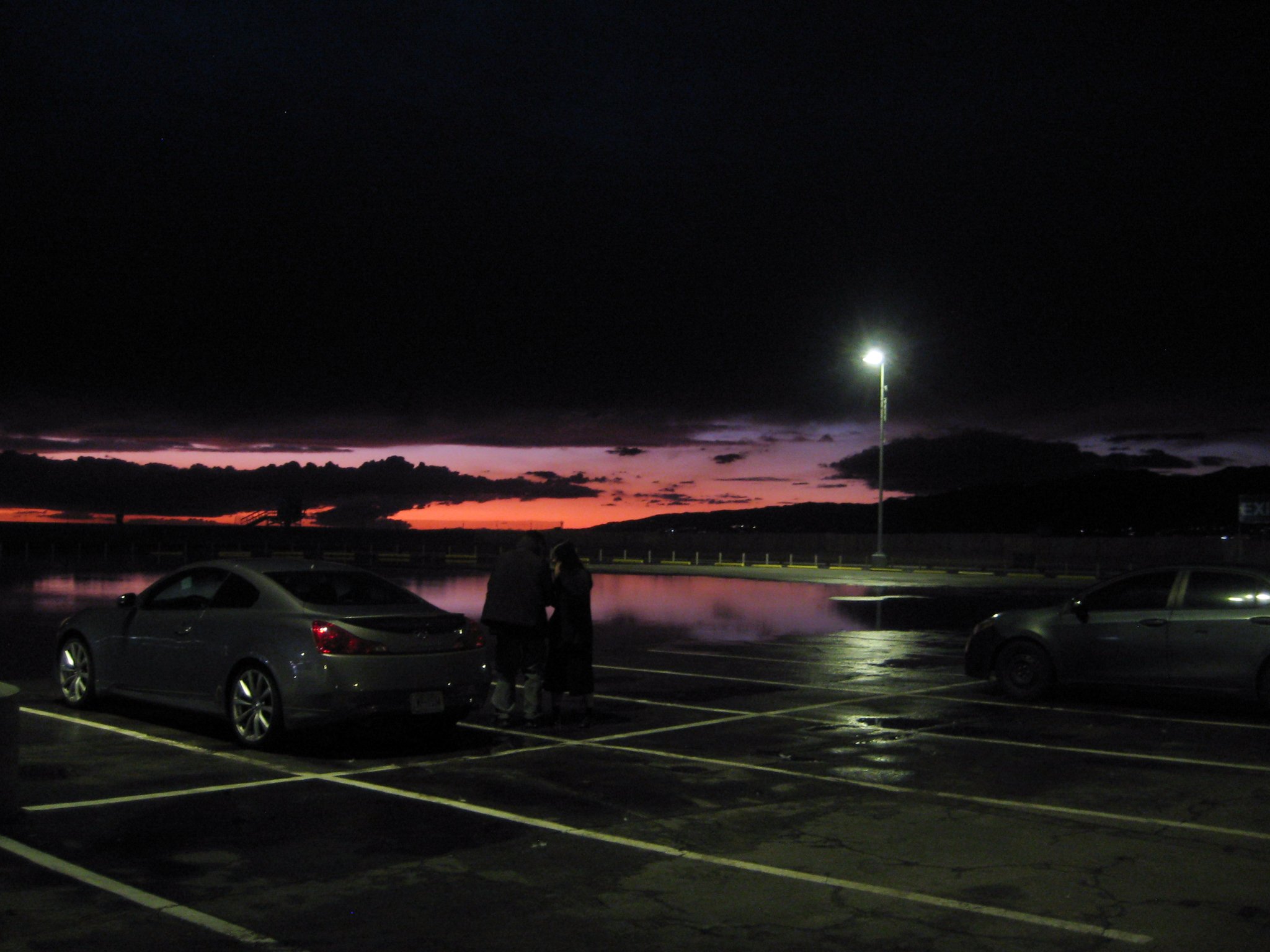
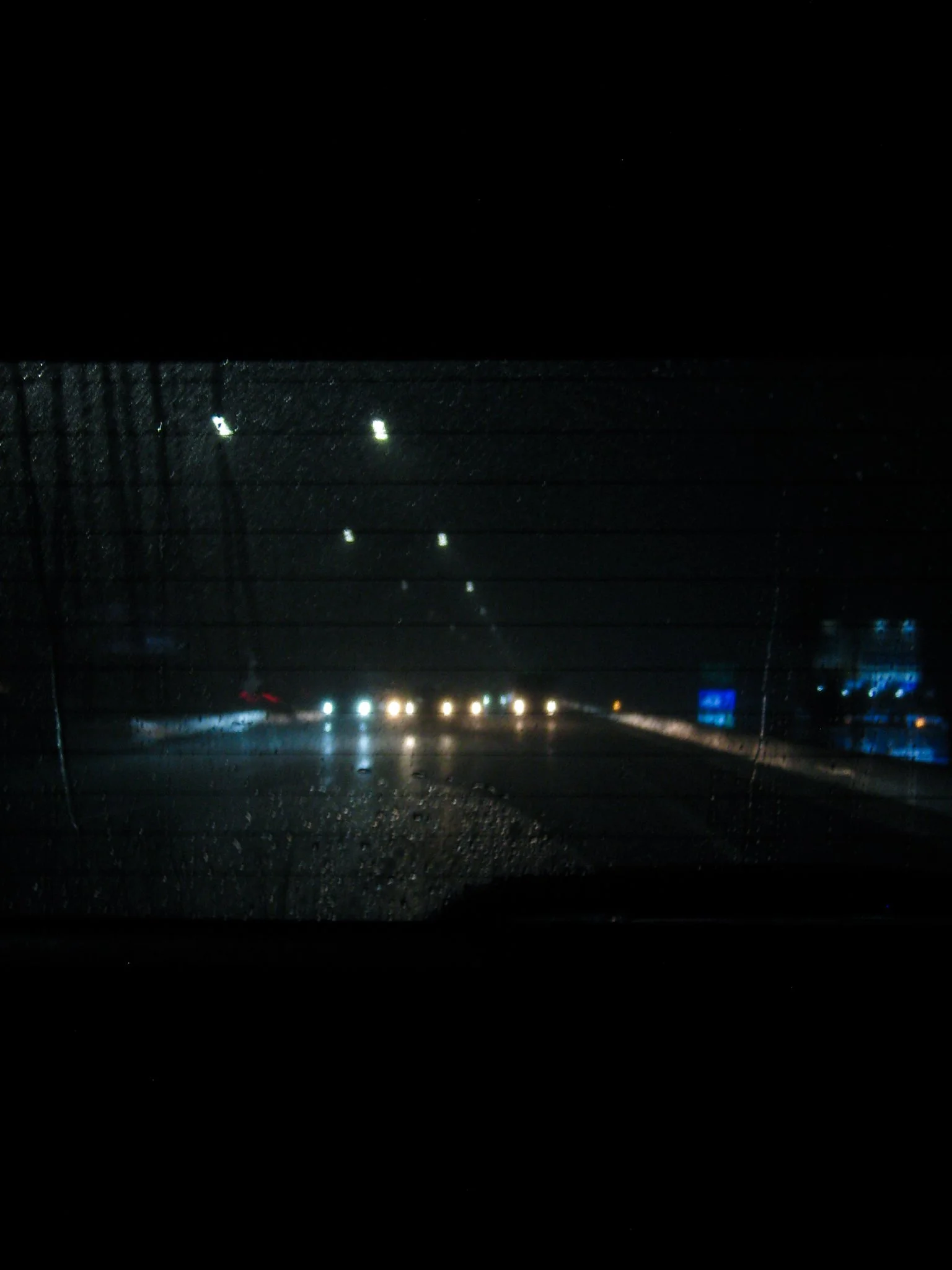
So if equipment isn't the differentiator, what is?
I think there are two things that separate a good artist from a bad one: vision and taste.
And out of those two, taste is probably the biggest differentiator.
The question then becomes: how do you develop taste?
I think, as a photographer or filmmaker, taste comes from learning how to see.
The best way to actively do that is to develop a habit of moodboarding.
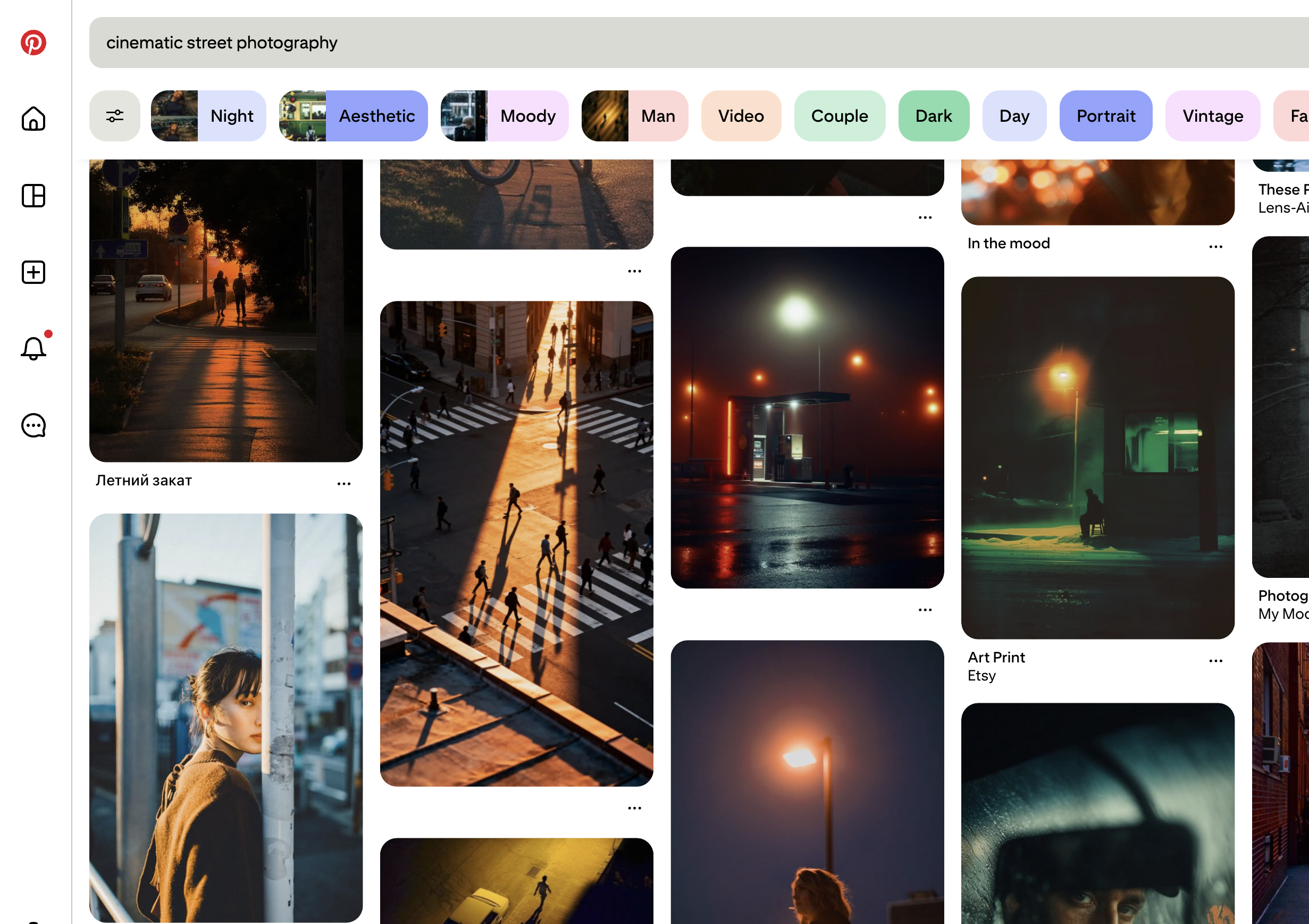
When you start doing this, you immediately switch from passive observing to active seeing.
I was never born with this ability. I always liked looking at pretty images, even as a kid, but I was absolutely terrible at vision. I remember once trying to draw one of my teachers at school, a teacher I’d known for years, and only once I was tasked with drawing him did I realize that he even had a beard…
The fact that I was SO bad at this naturally, but now do it as second nature, plays into my belief that this really isn’t down to talent. Artistic vision is a skill just like any other.
As a random example, I recently started dabbling in painting, in my 30s. I've never really painted before in my life. But I noticed that photography helped me tremendously. Not that I’m very good at painting, but I understood it much faster than I ever expected and would have been able to, had I never been into photography in the first place.
In other words, it surprised me that this skill, that on the surface is just about pushing a button, could adapt to a medium that seemed… more like real art.
My theory is that spending years obsessing over photography taught me how to see.
This has nothing to do with camera settings, nothing to do with knowing about lenses.
Painting is really just being able to break an object down into shapes, highlights, shadows, colors, and relationships between those things.
Photography isn't all that different. The real major difference is that unlike in painting where you create something out of nothing, with photography you wait, or arrange, for things to fall into place at just the perfect moment… and only then do you take a photo.
This is what makes it seem so much easier, or like it’s down to the camera, or like it’s just luck. But the only way to consistently create at a high level is to have this seemingly hidden skill of “vision”.
You're constantly looking at the world through the lens of composition, lighting, colors, visual balance, and cohesion. You're always paying attention to where the light is coming from, what colors work together, and what makes a scene visually interesting.
I think one of the best ways to develop this skill is to look at other photography and visual art in a very analytical way.
Not just consuming it, but actually asking yourself why it works.
Why does this image look good?
Why does this scene feel cinematic?
Why do these colors work together?
Why is my eye drawn to a certain part of the frame?
What exactly is the artist doing here?
Over time, you start recognizing patterns.
And I think developing taste is largely just developing your ability to recognize those patterns.
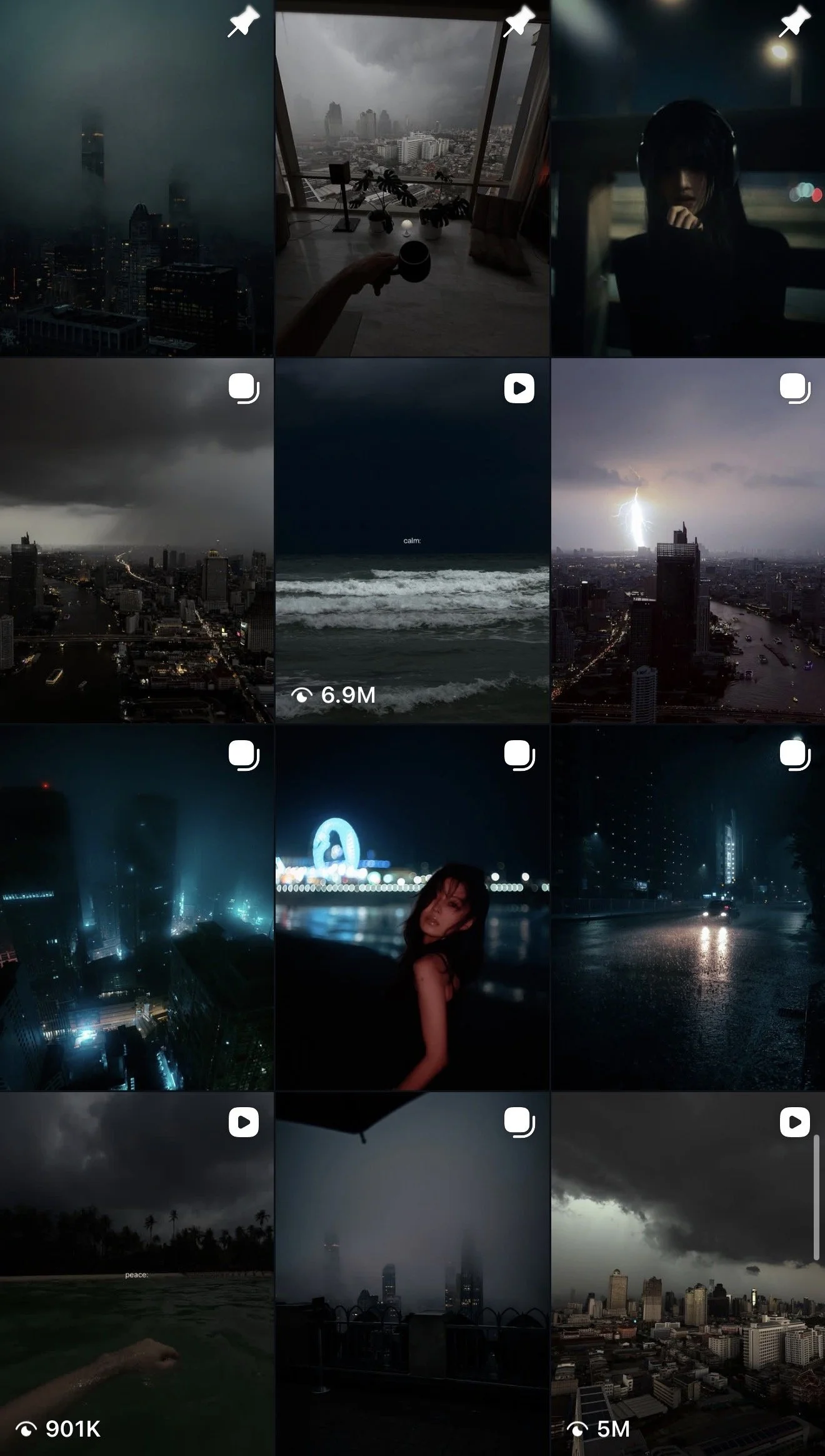
The whole reason my Insta feed looks the way it does, is because I personally love looking at images with this sense of feeling. When I did this exercise myself, I noticed that my favorite scenes in movies and my favorite street photos often featured things like rain, and were set at night.
I never copy exact scenes or photos. I just seek out similar conditions, and then give them my own spin.
I’ve loved big cities ever since I first saw the show Friends when I was about 10 or 11. I’ve loved fog ever since I first had to walk to school on a morning covered in a thick cloud, I must have been 7 or 8. I always loved summertime in finland, especially during a thunderstorm. Almost everything I shoot today has some early root that used to be subconcious but is now extremely intentional.
I also have a theory that really good photographers eventually become better at other visual disciplines almost as a side effect.
Their fashion sense improves.
Their understanding of interior design improves.
Their appreciation of art improves.
Because all of these things share similar visual principles, and once you start recognizing those principles, you start seeing them everywhere.
So how do you practically improve?
Honestly, mood boarding is one of the best things you can do.
Use Pinterest. Use Cosmos. Use Instagram. Use whatever platform allows you to save things that inspire you.
Watch great movies and actively think about what the director is doing to make a scene look and feel the way that it does.
Then ask yourself whether you can adapt some of those ideas into your own photography.
Go out and experiment. Implement what you learned. See how it works for your own style.
Take notes.
Pay attention to what works and what doesn't.
Learn from your own experiences.
And understand that this process takes time. Literally years!
Taste and vision develop so slowly that you don’t even notice it at first. You have to think about it in a long term way: If I train every day, I’ll be able to tell the difference each month, but not each day.
You just keep paying attention, keep shooting, and eventually things start clicking.
Which brings us to the next question.
How do you actually create mood in an image?
That’ll be coming up next.
But for now, the message is clear. Just start shooting and developing your taste and vision, everything else will fall into place if you just do that.
Here are the literal steps;
acquire a camera, any camera will do
learn the very basics of photography (1-2 weeks of youtube)
start curating a moodboard on pinterest (or where-ever)
save your favorite inspirations in that moodboard, photos you love and would love to be able to take in an ideal world
notice visual patterns across all your saved images
write them down, and think about how you can implement them in your own photos
go out and shoot until you have produced something close to what is in your notes
compare. what worked? what didn’t?
adjust and repeat
The best part is, this process will automatically answer all your questions about which gear your should buy. It will teach you how to post on instagram if you just implement the same formula. It will teach you how to become a professional, if that’s what you wish.
Because it’s all just reverse-engineering a process, at the end of the day.
And if you do it correctly, because of the fact that we all have a unique set of circumstances in our lives, it will make you into a unique artist with their own style. It will take some time, but eventually it’ll work.