My ULTIMATE camera choosing guide (for noobs)
This is version 1 of this article so forgive me if it’s a bit raw, but hopefully it gets the point across.
If you’re really lazy there’s a summary at the end.
So… Which Camera Should You Get?
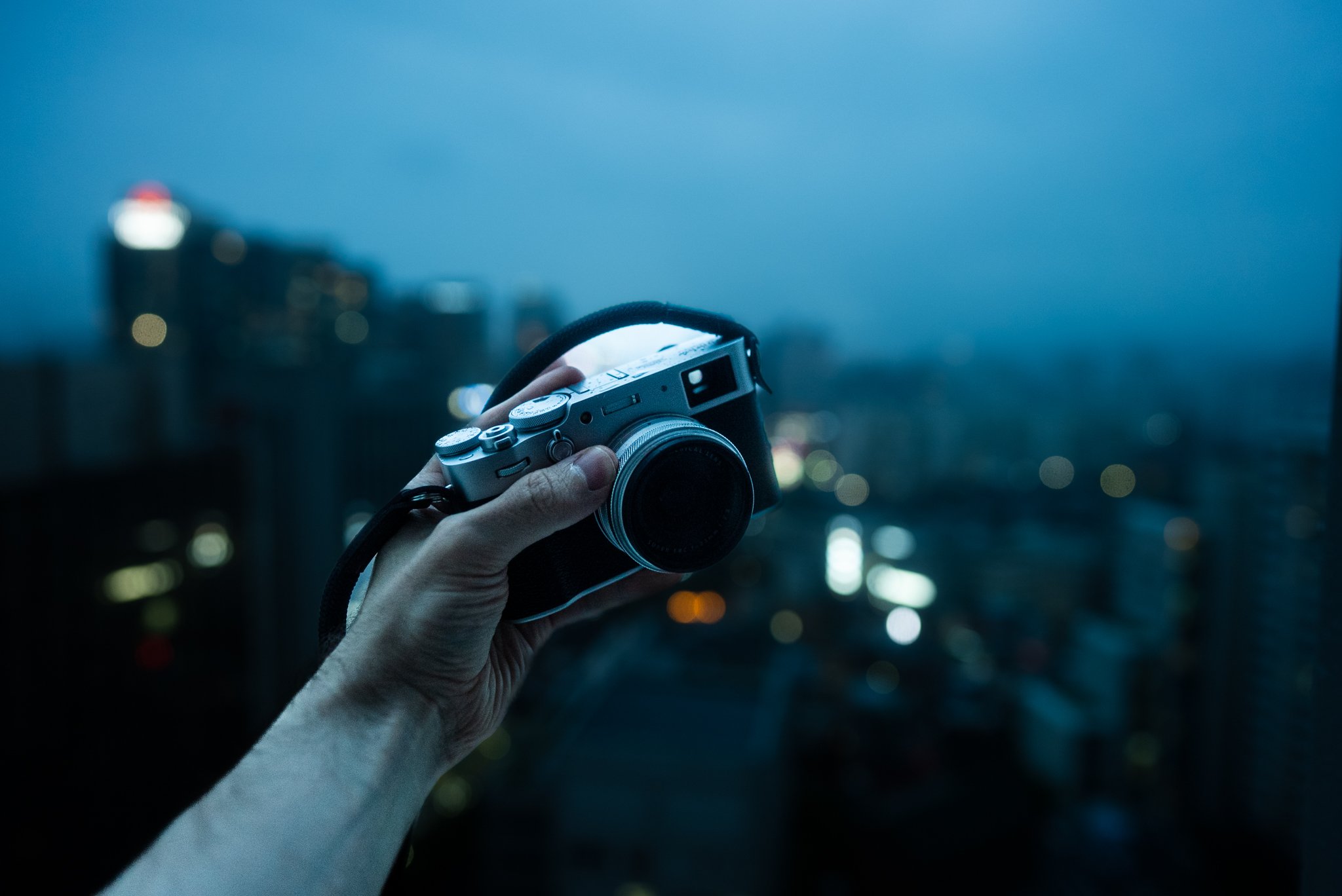
I get this question a lot, probably like every established photographer on Instagram. I apologize if I haven't replied to your DM about it. There’s too many dms!… But that's why I'm writing this article.
which camera do you use?
When people ask that, I feel like they're not really asking which camera I use personally. They're asking which camera they should get. A very natural question, so I understand why people ask this. I just want to give my thoughts on this topic.
First of all, I would say on the surface, the camera doesn't really matter as much as you might think if you've never been into photography before, which might be discouraging for some people and exciting for others.
If you have a modern iPhone, you can probably take most of the kind of shots that you see on my page.
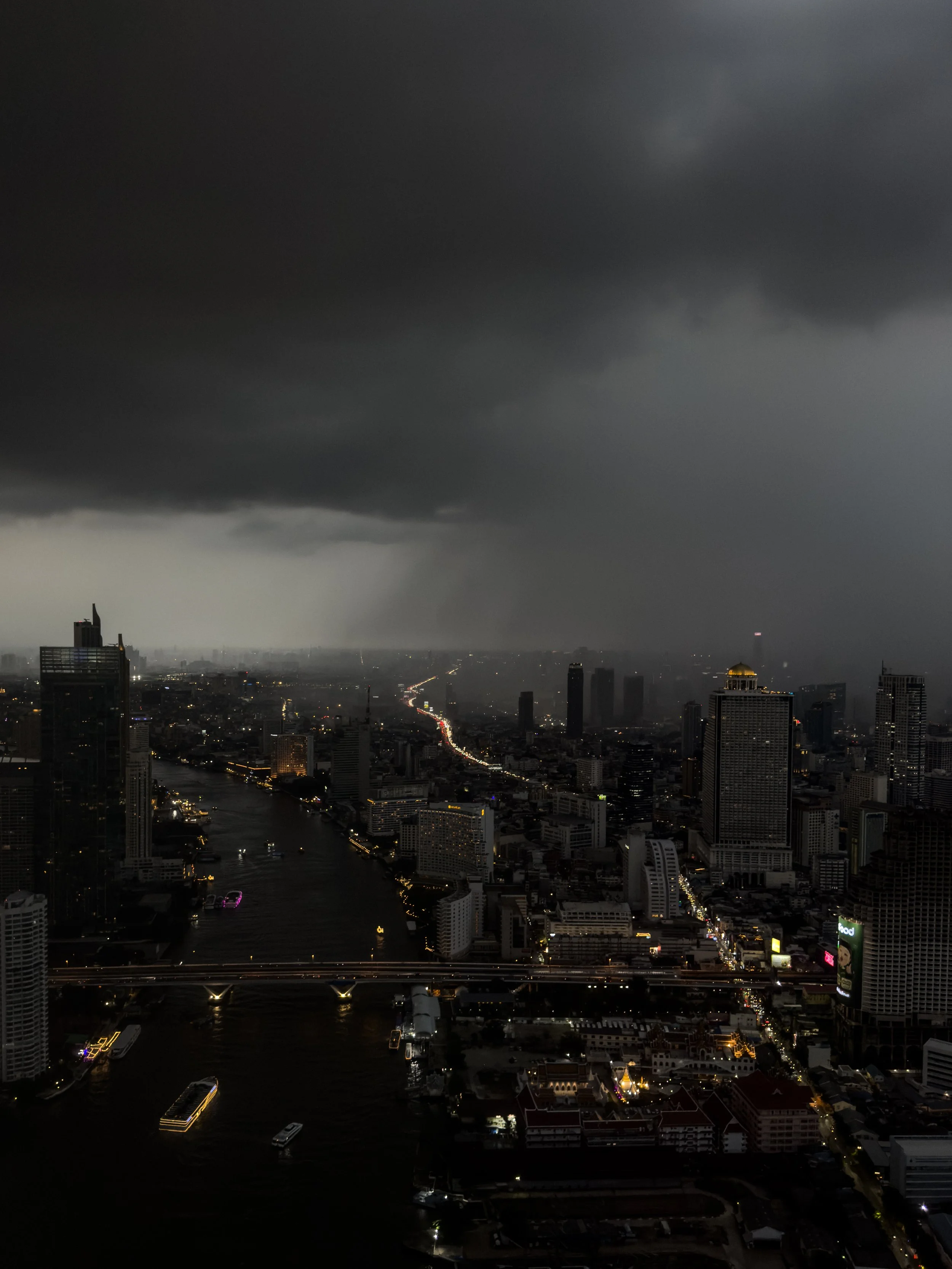
shot on iphone
That said, there is something to be said for actually owning a camera for a couple of different reasons. First, for pure enjoyment of the process of photography, and also putting you in the headspace of, “okay, I'm now doing photography instead of just snapping whatever.”
The second one is ergonomics and convinience.
And of course, the more challenging the shoot, the more you need a camera. You probably cant shoot the moon or a wedding gig on your phone. Or a sports match. Or low light street photography, if you’re a beginner. But most things, you probably can.
To me, the camera is supposed to get out of your way. Different photographers have different opinions on this, but for me, the camera is supposed to make things easier in terms of letting you get away with more mistakes, which, of course, when you're a beginner, is very useful.
But other people, they actually like it to be a process. If you use Leica cameras, or maybe certain Hasselblads, or you shoot film, actually using the camera becomes part of this meditative process. It’s all about the why.
So it depends on your goal in photography. Is it to document your life? Is it to create art? Is it to make films? Or is it to simply enjoy the process of photography instead of caring that much about the result? Or is it a combination of all those?
When it comes to the process of choosing your camera, you've got to consider first of all your goal, and second of all, your budget.
Budget
Just briefly, keep in mind that a lot of the expense is not the camera body itself. It's going to be the lenses that you buy and all the other stuff. Don't make the mistake of spending all of your money on the camera itself, because you're going to need maybe 60% of your budget to go towards lenses in most cases, unless you want to use some old vintage glass.
If you’re tight on cash, it’s useful to know that camera bodies lose value quickly whereas most lenses hold their value pretty steady over time.
This means that getting a camera body from a few generations ago will save you a lot of money, especially if you buy used. So the tighter you are on budget, the less you should spend on the body itself and the more time you should put into looking for a good, used camera body. Even if you don’t buy used, there are nice discounts on camera bodies that were new just a year or two ago, if you look on sites like amazon, even your local shop.
Of course, if budget is not an issue, there’s nothing wrong with buying new, latest edition gear. But just remember that you can’t really buy yourself into becoming a great photographer at all. So if you’re a total beginner, it’d be kind of insane to spend more than say $1500-2000 on a camera at most. Anything more and you won’t really know what you’re getting with the extra budget, and you might even start to look a bit silly.
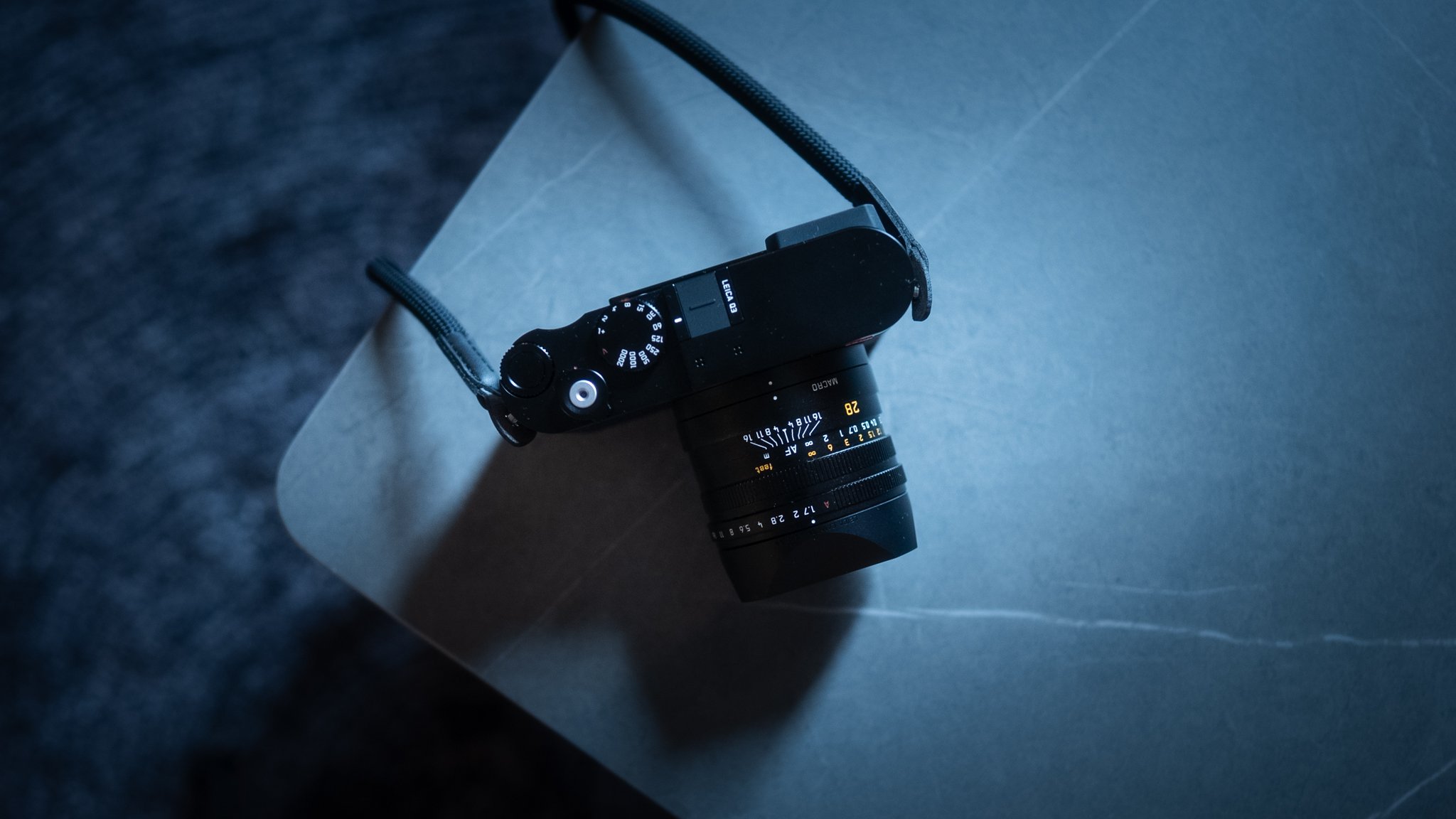
yeah I spent $8000 on this bad boy and it was a really terrible waste of money
So don't worry, because there are a lot of used cameras that do 70 or 80% of what the expensive new ones do, and you really don't need to spend all that much on the equipment, because a lot of the result doesn't really come from the camera itself. It comes from so many other factors. The camera is just the starting point. You might think that a $8000 camera takes 8 times better photos than a $1000 camera, but it really doesn’t work that way at all.
It’s more like the $8000 camera feels more premium in your hand and maybe has some extra video features than the counterpart, but the photos it takes will be nearly indistinguishable in a side-by-side comparison. Yes for real. This also means that photography is actually a lot more complicated than simply pushing a button, but that’s another topic.
Different cameras for different goals
So let me give you a couple of examples with different types of cameras that you might want to consider for different types of goals and different kinds of people.
Result-oriented artists
Are phones good enough?
The very first category would be people who primarily care about the result and the convenience. People who don't particularly care about the process of photography. People who want to travel light and keep things as simple as possible.
For these purposes, I would literally just recommend shooting with your iPhone first.
This can also be an Android, of course, but especially when it comes to shooting video on a phone, I think iPhone is the standard.
When it comes to pictures, there are certain quirks with Android, especially the Chinese ones that use a lot of AI to render moons and stuff, that I really dislike when it comes to Android photography. But if you already have a Samsung Galaxy Ultra or whatever, that's totally fine.
Again, it is important not to get too caught up on what exact phone you are using, because that is kind of irrelevant for this group of people who only care about the result.
My first iPhone was the iPhone 13 Pro Max, and the camera on that was already good enough to shoot 80% of the photos you see on my Instagram feed, for example. In fact, maybe half of the stuff on my Instagram is shot on my iPhone. I'm currently on the iPhone 17 Pro Max. The orange one, because I'm cool like that.
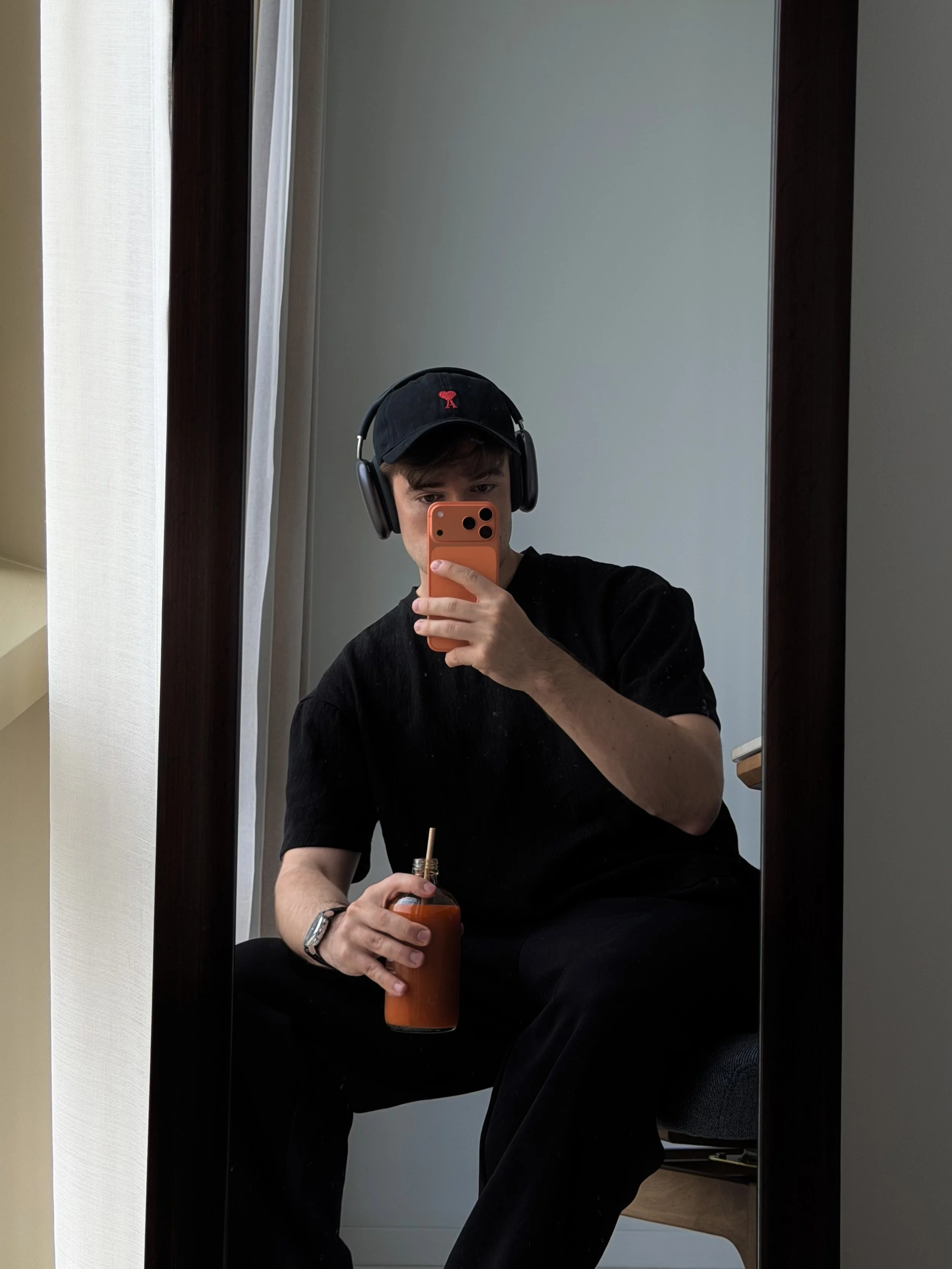
So if you only care about the results and convenience, the only thing I would do is occasionally swap to shooting raw and start playing with exposure on your iPhone camera. Then really start going down the rabbit hole on YouTube on how to take photos and learn how to see, because learning how to see is really what it actually comes down to. Then learn how to edit your photos. You can just get mobile Lightroom to start with. It is more than good enough.
Likewise, if you're going to shoot video and reels, iPhone is really useful for that. Especially the stabilization is without parallel, but also just the way the video looks is really good for phones.
That would be the first category. You might already have this camera. Just get to practicing and expect to do that for about a year if you have zero art background, and maybe a couple of months if you already have an art background, to start getting acceptable results. But that really goes for all camera types.
Sonys
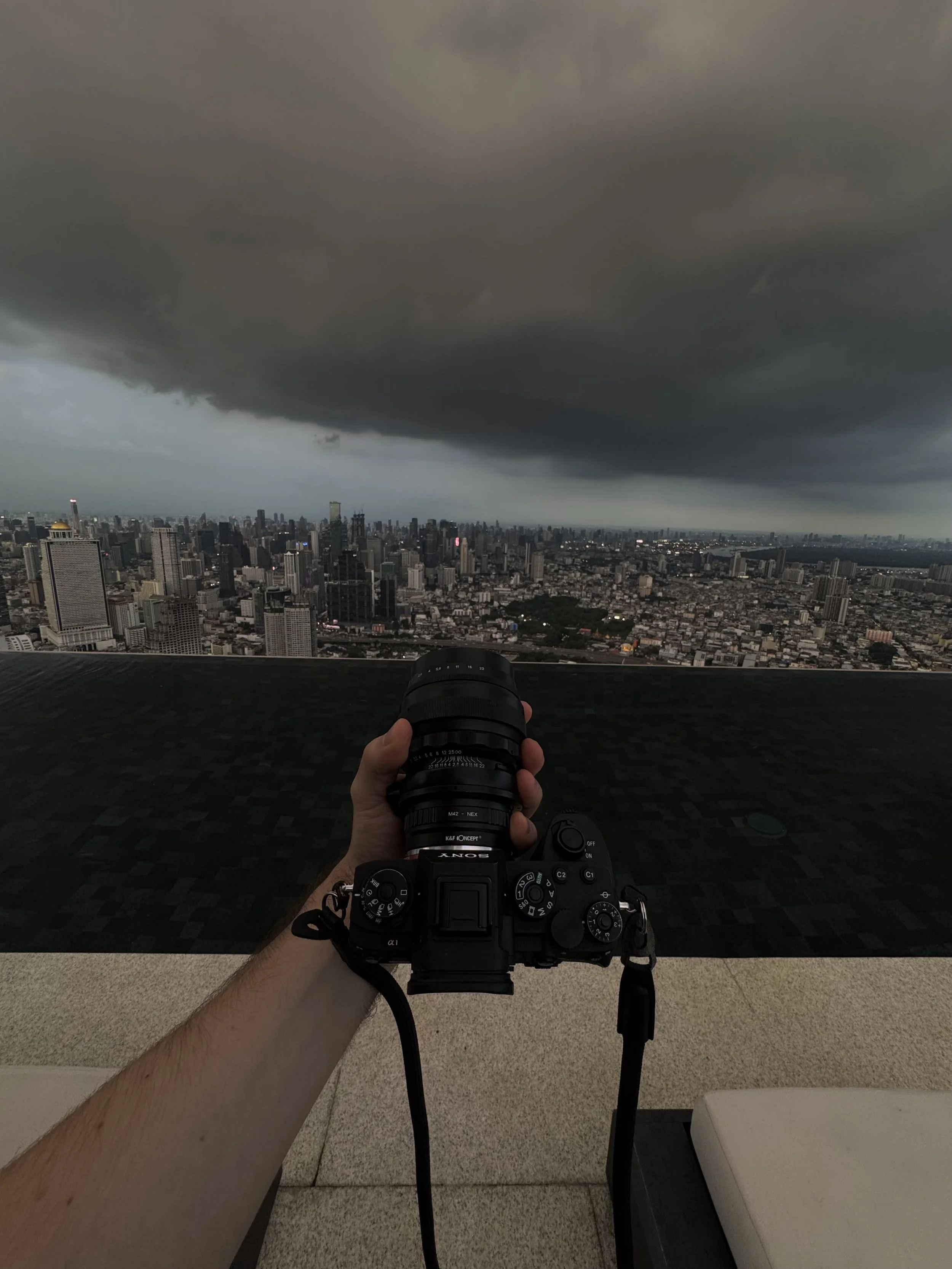
The second option is for people who have a little bit more of a budget, and care about results primarily, but also want to get a camera that gets out of their way as much as possible.
These people would be Sony shooters, and this is what I am myself.
Sony is known for cameras that are almost boring due to how efficient they are. The photos and videos these cameras take definitely require editing, because straight out of the camera, they don't look like anything that special. But Sony cameras are really known for having great autofocus, great low light performance, and great dynamic range.
The user experience is designed to make the camera disappear, especially once you get used to using it, so that you can focus on the environment itself and all those things that actually affect the quality of work that you're shooting.
They also have a lot of lenses, of course. Some of them can be quite pricey if you want modern glass that looks flawless, has fast autofocus, and performs well in low light.
Later on, if you're a total beginner, I wouldn't suggest doing this immediately, but you can also start playing with vintage lenses. You get an adapter and adapt all kinds of old lenses from film cameras from the 80s, just as a random example, or even older ones, to get shots with more character.
Depending on your goal in terms of shooting, whether you're taking photos or videos, Sony has several different options. Honestly, I would just open ChatGPT and put your budget and purpose into it to give you an exact suggestion of which model you would want to invest in.
I have the Sony FX3 (amazon affiliate link), which is a really awesome video camera, especially for low light. It doesn't require any kind of attachments if you don't want to use them and still gets very professional results.
I also got the Sony A1, which I don't use as much these days, but honestly, it's almost overkill for most people. It's an absolute beast of a machine for photography. I don't even use most of the high-end features. I just snap photos.
But if you want to shoot sports or take a thousand f***ing photos in a second, this can be a camera for you.
Really, I would just recommend a base A7 IV or V, whichever is the latest one, to get started. Then slowly, as you shoot more, you'll know what you want. But honestly, that camera would be good enough even for myself. I don't even need an A1.
Oh, and if you want to take photos in super low light like this, then you definitely could use a sony:
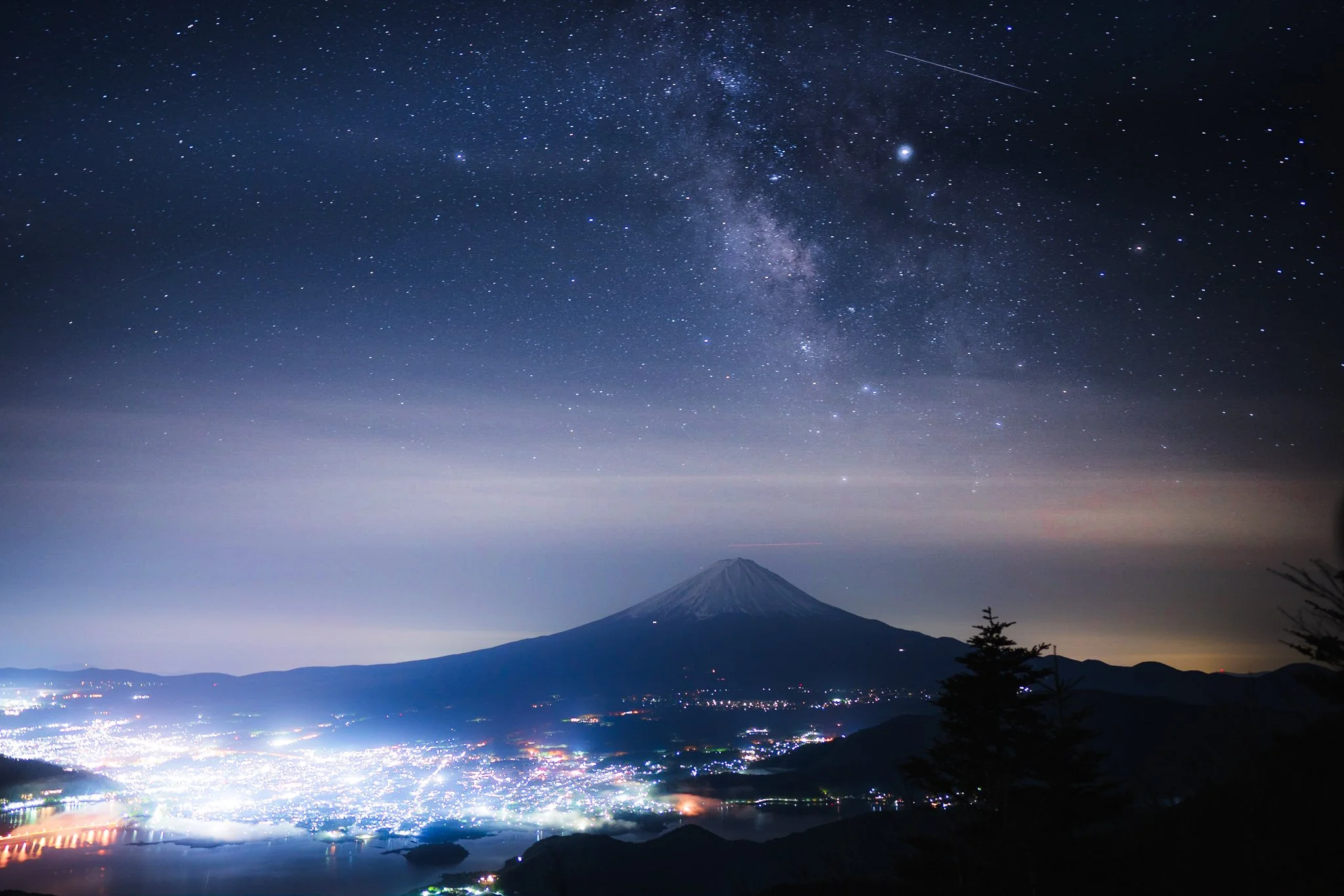
but also this is a long exposure, meaning you need a tripod, so any camera is fine and this is a terrible example.
2 - Process-oriented shooters
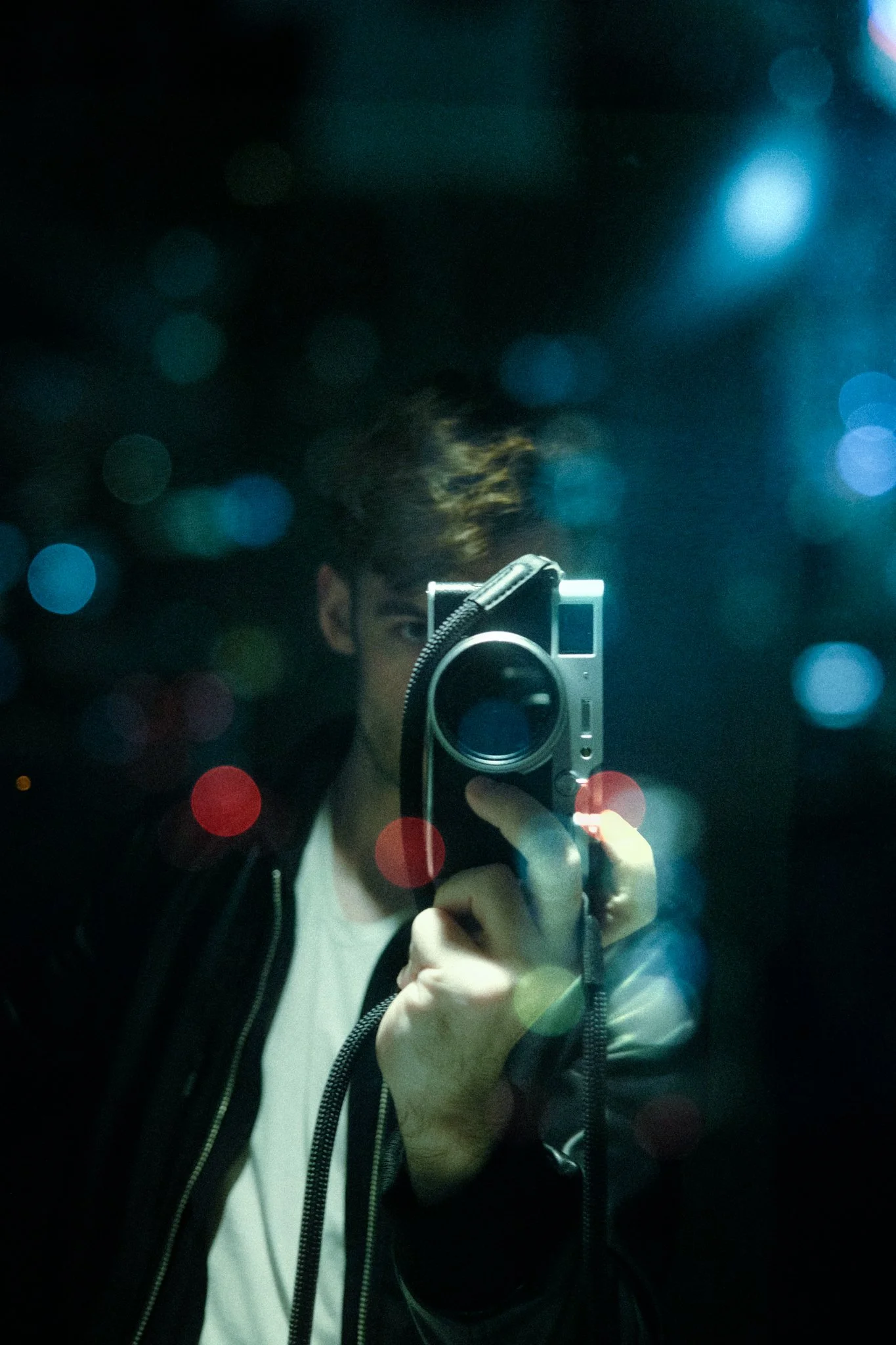
an in-camera double exposure on fuji x100v
Moving on to the other category, this would be for people who want photography more for the experience itself. People who don't necessarily care as much about the results as much as they just want to have a camera that is pleasant to use, looks cool, and maybe doesn't require as much editing.
Again, you can get incredible results with these. You can get results with any camera. But I think if you really want to get a camera for the sake of getting a camera and enjoying using it, I would either look into Fujifilm or Leica in this case. The Sonys might be technically better cameras, but the only major critique they seem to get is that they’re just… boring to use. They’re flawless machines that can feel like half-computers and half cameras. Some people want a more mechanical click when they take a photo, they want their camera to glow in silver instead of just the one color of matte black. They want a little fun with silly little in-camera filters that fuji has branded as… I literally cant remember what. But you get the point. I’ve owned a Fuji before, undoubtedly it’s a more fun experience than my sonys.
Then there’s Leica, there luxury product that also takes photos.
Fujifilm is a lot more budget friendly and honestly just as good when it comes to results, whereas Leica is more about the brand status, history… and I do have to admit, their cameras DO just feel premium to hold. They’re beautiful. However it’s still difficult to justify their price because their actual tech is frankly just 5-10 years behind the others.
Let's put it this way: if you started the company Leica today without any of the history, you would just go bankrupt because there would be zero demand for these cameras, if you strip away the history, the brand, their reputation. The actual process of photography with a Leica is not any better than it is with a Fujifilm or any other brand. It’s what always frustrated me about Leica. They had such a head start with the history and design, only for them to coast and ignore any innovation for the past 20 years…
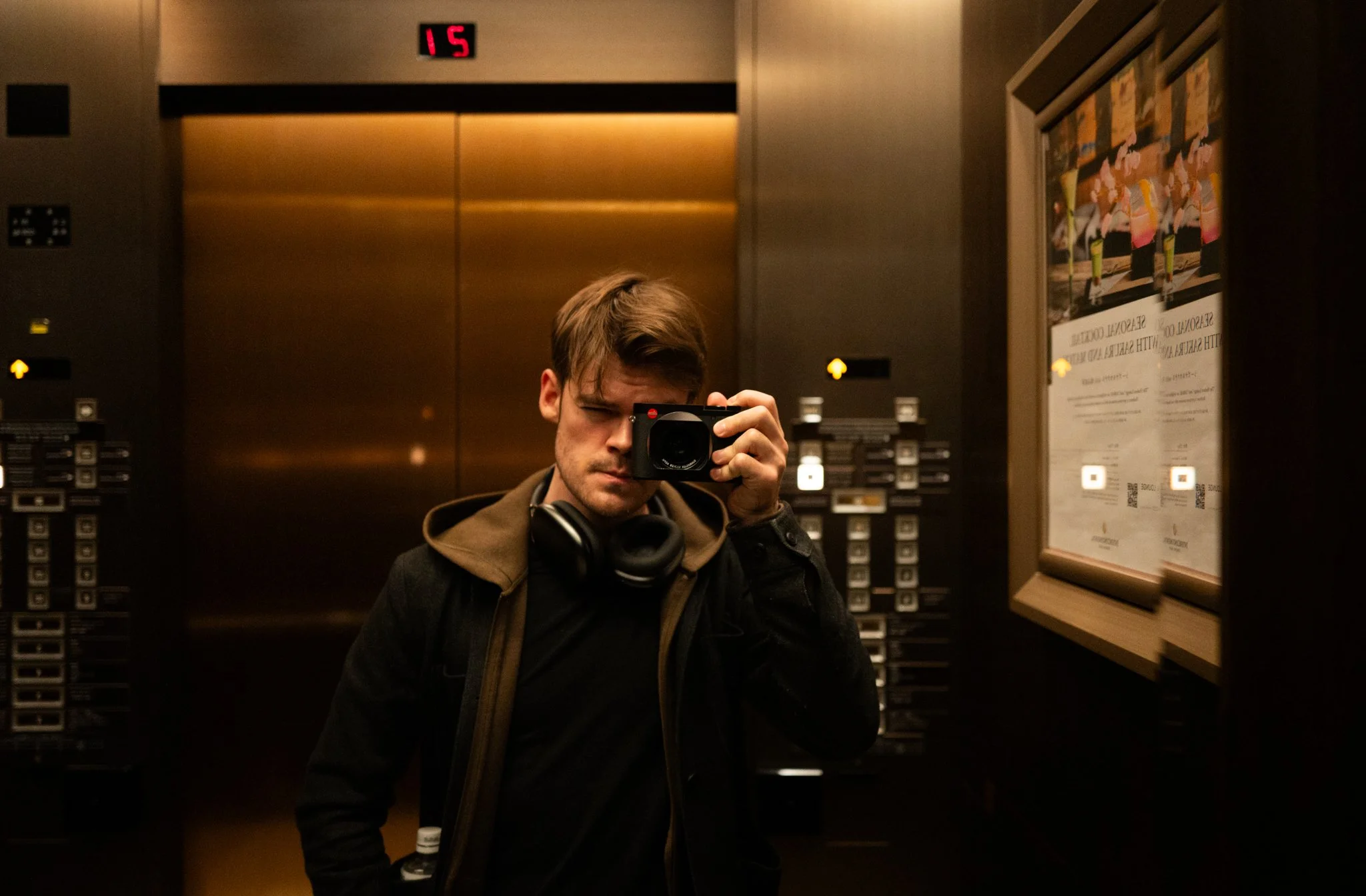
So yeah Leicas, they look and feel incredibly premium, and therefore they're fun to use.
But it can also come with some downsides. In a lot of cities, you'll attract unwanted attention for carrying a $15,000 lens and camera combo around, for example. You don't necessarily want to do that late at night in some parts of the world.
Honestly, in my opinion, the way that they're designed is to make you feel like you're using a camera instead of chasing pure results. Some people love them, but I feel like Leicas always come with the caveat that you're not paying for the result as much as you're paying for the experience.
Now, there is a certain signature look for Leicas, but it comes down to a matter of taste. I found for myself that I don't necessarily like the so-called “Leica look” because it's kind of too sharp for the type of work that I'm trying to create. It's too, I don't want to say clinical, but it has a certain quality that doesn't really mix with the type of work that I'm creating most of the time. Sometimes I like it, not all of the time.
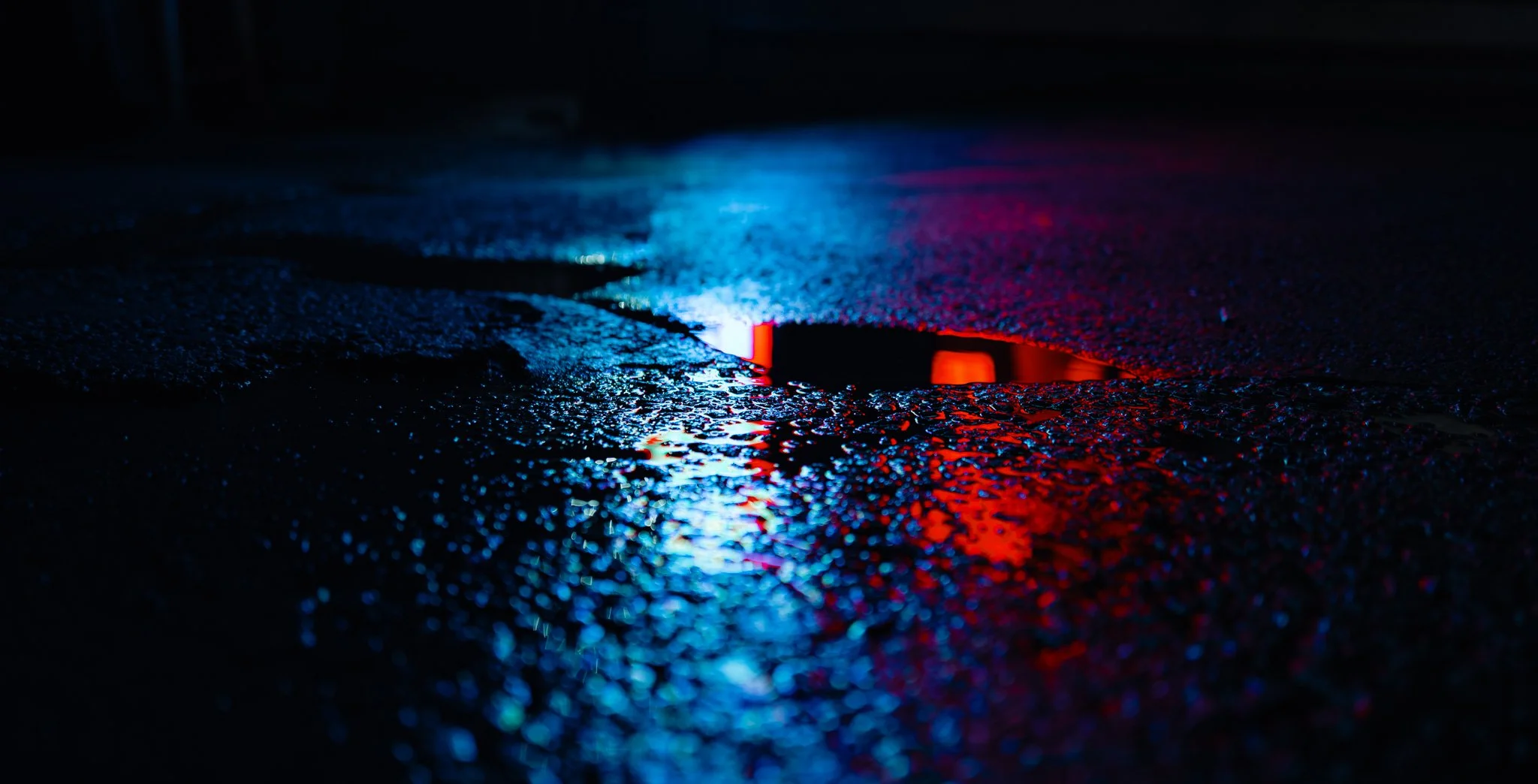
this is a great example of the camera being too sharp, in my opinion
Frankly, I've been quite disappointed with the actual results that I get out of my Leica Q3. But I do really like the way that this camera looks and feels. If I'm seriously shooting, I would not bring this one. But if I'm going to a cafe without much of a plan of actually taking photos, I might throw this in the bag.
I wouldn't repurchase this camera. But again, some people love it, some people hate it. I'm kind of in the middle. A bit of a love-hate relationship with Leica.
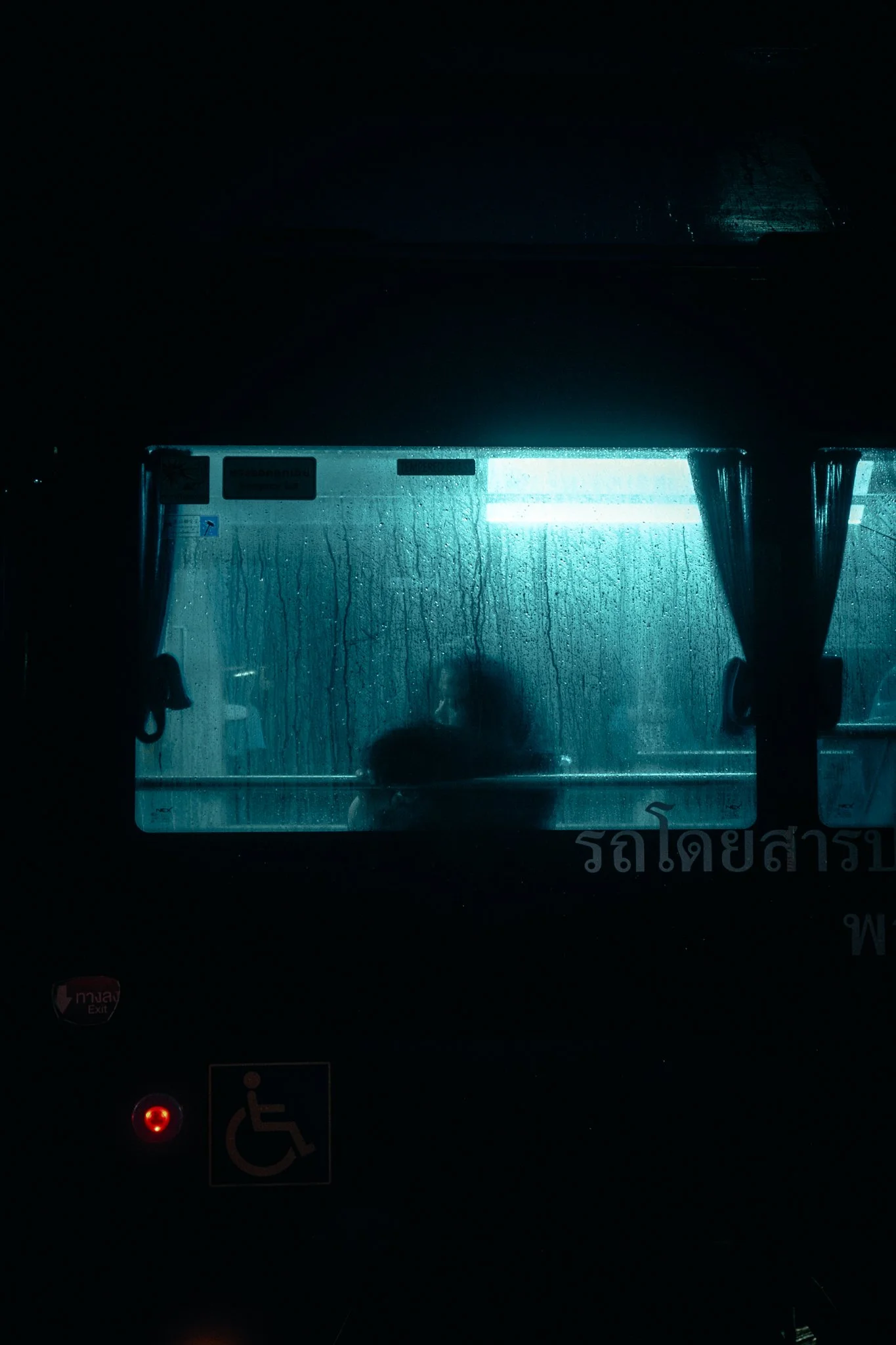
but on this image, I like the sharpness
Then you've got Fujifilm, which is in some ways almost the most fun camera brand, but it's still a serious camera. They're a lot more affordable than Leicas. They have many different looks that you can apply directly in camera, so if you don't like editing or the idea of editing, you can kind of bypass the whole process with so-called Fuji recipes.
They have a very popular camera model in the X100 series. Currently, it is the X100VI. It's basically an expensive point-and-shoot with a cult following. It is honestly a really fun camera to own if you can afford one.
Especially for beginners, it can be a really good camera just for the process of, okay, when I'm bringing this camera, I'm really focusing on shooting. That's it.
Do you need a Fuji? No, nobody needs it.
Do you want a fuji? Everyone wants a fuji.
However in my head, it exists in this weird middle ground for people who just want to have a good time documenting their life, not taking it super seriously, but if they want to take it seriously, they also can. But it's not really the best for any one purpose, but it can do everything and is just fun and aesthetic to use.
Again, I would like to point out that if any of these cameras speak to you, if you see a camera and you just go, wow, I want that one, I think that would be your sign to just get that particular camera despite everything, because the most important thing is simply enjoying the process. That's where a lot of the results come from, just really having something that motivates you to use it.
So I wouldn't think too hard about the choice regardless.
The 4th category
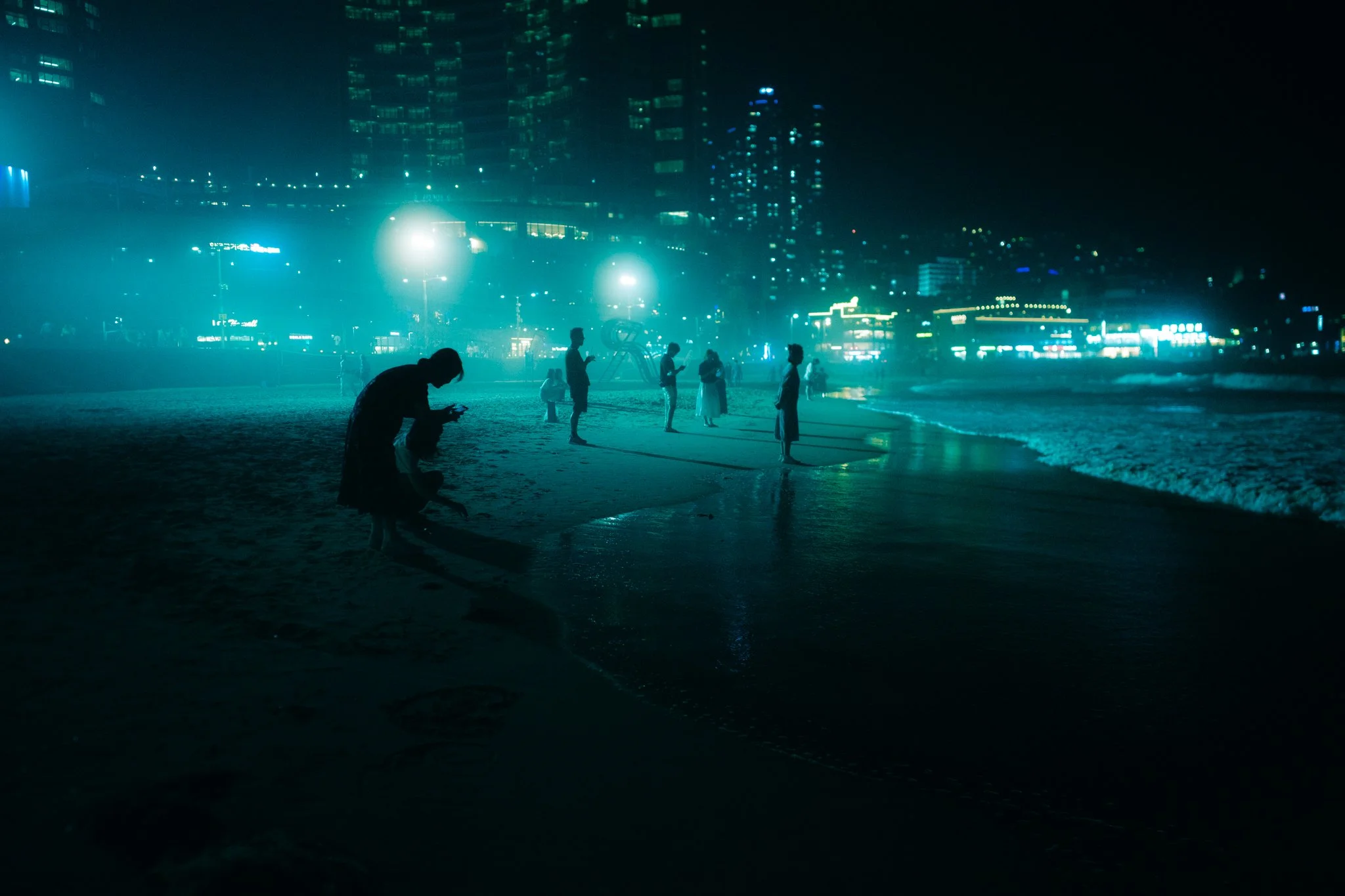
shot on ricoh gr3, apparently
I'm just going to list some other choices for cameras you could consider.
I’m not going to talk about Nikon and Canon, because I never used those personally. They are very similar to Sony however. Sony won most of the mirrorless camera market during the late 2010s when Canon and Nikon were relatively stagnant, focused mostly on the DSLR market (bulkier cameras that dominated roughly the 2008-2015 era). Since then, both of these brands have caught up to Sony in terms of tech. But they’re all kind of the same so there has been no reason for me to switch.
Then there's the Ricoh GR series of cameras. Extremely compact, pocketable cameras, primarily used for street photography, but they can also be used for documenting your life (obviously)
I had a Ricoh GR III. Now there's a next generation of Ricoh that has come out as well. These are good for a very specific type of photographer, the kind who wants to have a dedicated camera but doesn't want it to take up too much space.
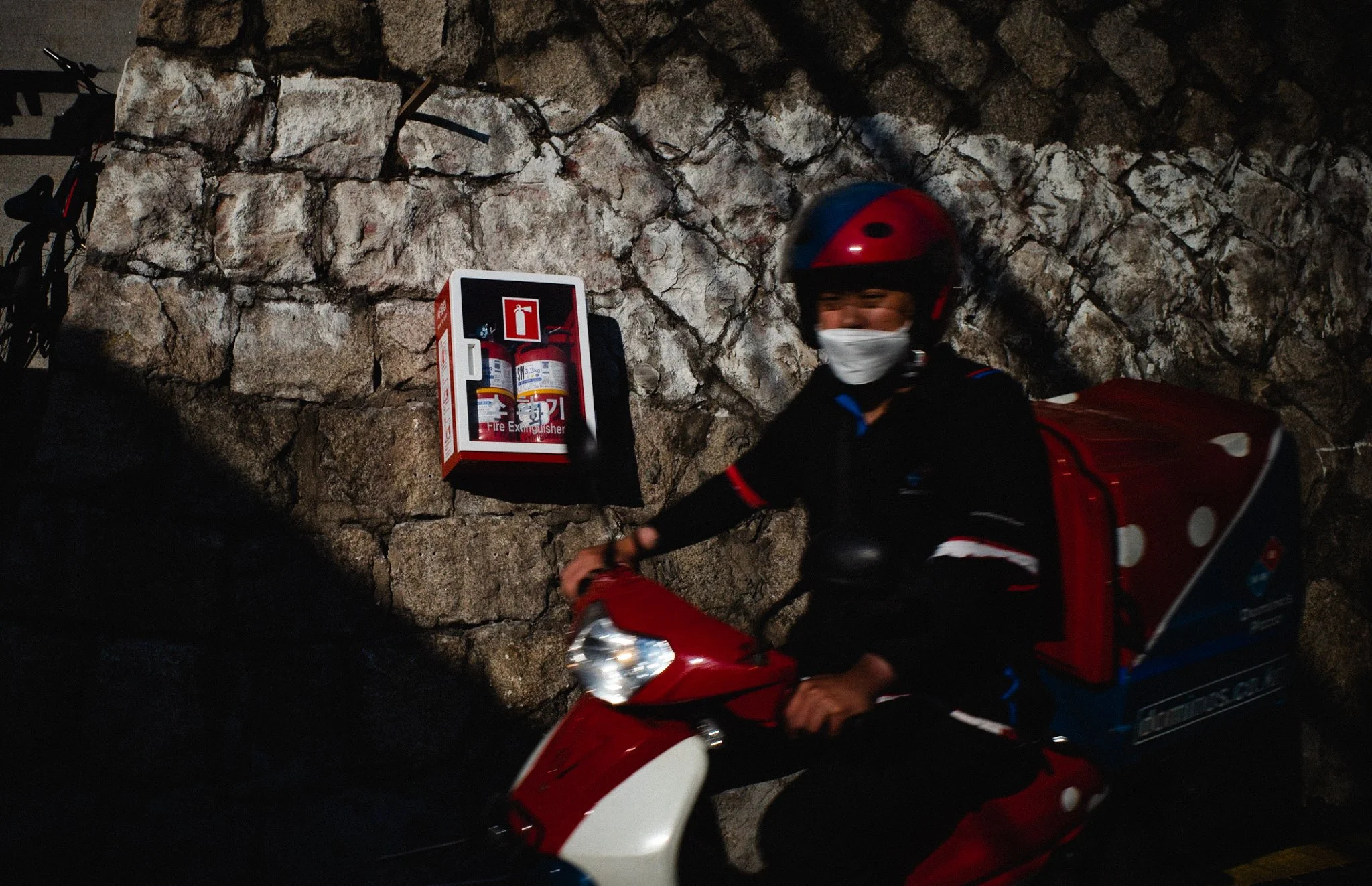
this is a very typical ricoh photo, as it’s mediocre street photography that is also out of focus (I’m only half joking…)
It is a really cool travel camera. The main reason I sold mine was because I found that the niche of light travel cameras was basically just as well filled with an iPhone when I actually looked at the results. Also, the old Ricoh had autofocus that didn't perform well in low light, which was really getting in the way of my process because I shoot a lot in low light. Even in the daytime, so many of my photos were out of focus, and the camera was so small that I could hardly tell on the back of the screen. I’ve been told the Gr4 has better autofocus. Is it enough? I don’t know.
If I wasn't shooting so much in low light, I'd probably still have a Ricoh, and occasionally I look at a YouTube review and think about getting the newer model as well. The focus issue is something you get better at once you gain more experience with the camera. But is it a good thing to spend your mental bandwidth on thinking about if the focus is right or not? When on a bigger Sony Alpha that would be a complete afterthought? Usually no, but you can’t beat how damn small and cool that camera was.
It also takes better photos than an iphone, but only mariginally. It has genuine background blur thanks to the big sensor, and actually good stabilization if you want to take handheld long exposure photos.
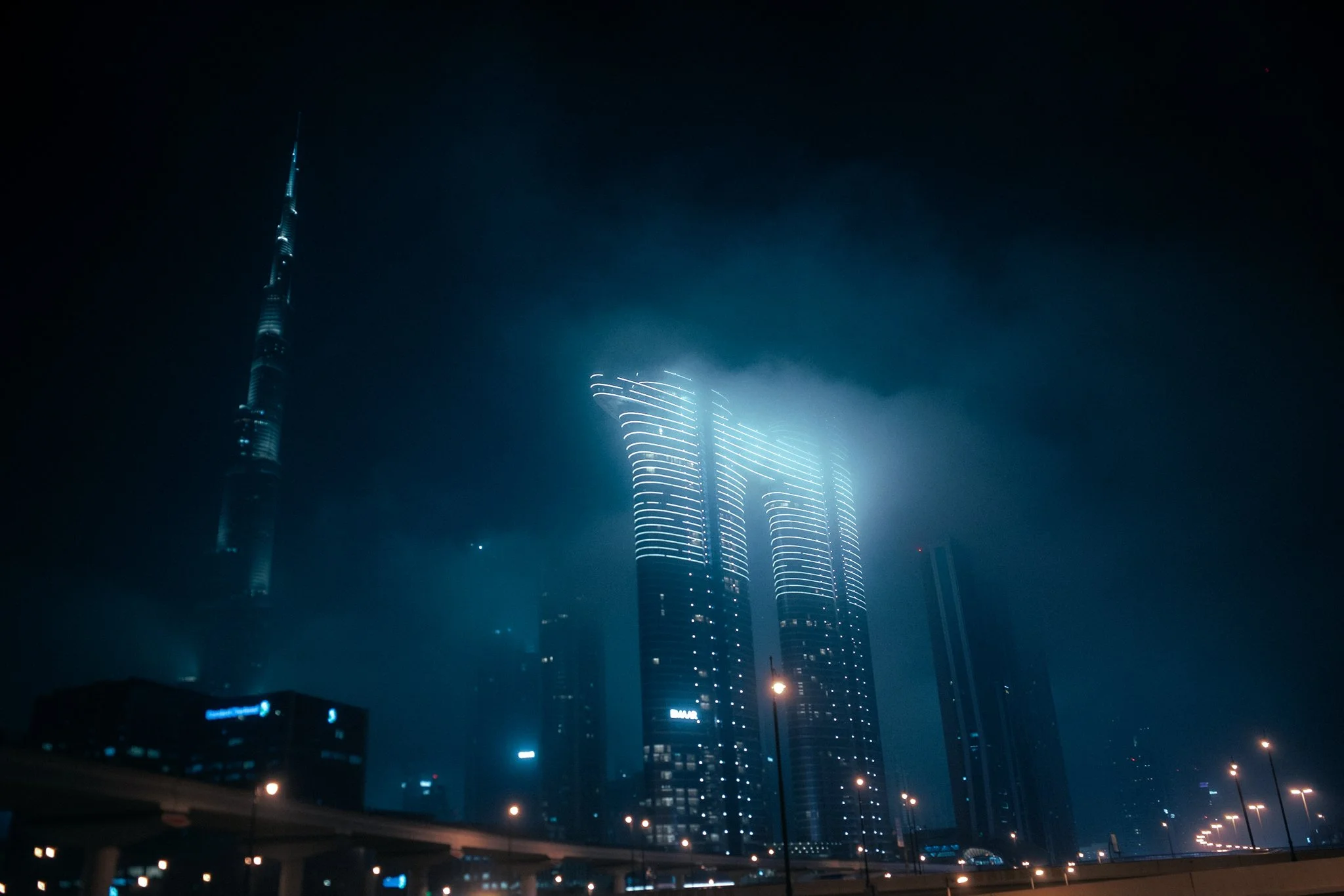
this is also a ricoh shot that I quite like
I liked the camera, but if you have the latest iPhone, is it still worth getting a Ricoh? I don't really know.
It is quite expensive for what it offers, but for street shooters, it is cool, especially for stealth photography. For video, it was comically bad.
Finally, I'll mention DJI cameras.
I use the Osmo Pocket 3 for vlogging on YouTube, and I'm waiting for the Osmo Pocket 4 Pro. I think this is a really good camera for solo filmmaking if you want to make videos on YouTube, for example, or if you want a third-person perspective of yourself and you don't have anyone else to film you.
It's easy to mount the camera somewhere or put it on a tripod, and because it's a remote-controlled gimbal with the use of the app, you can compose your image just by using the app and changing the angle without having to physically do it.
It's really awesome for that. The image quality is also pretty good, especially when not in too dark of a light. There's a reason DJI has kind of taken over this vlogging space.
I also have a DJI Action 6 that I just got. Again, a really cool camera for shooting action. I took it into the ocean and mounted it on my motorbike.
The only caveat with this kind of camera is that it's very wide angle, so it's difficult to shoot a variety of shots. If you're not particularly doing action camera things, I would just get an Osmo Pocket 3 for video instead.
For photography, these cameras should not really be considered.
Final thoughts
Again, I would stress not to overthink the decision too much. If any of these cameras happen to resonate with you, just follow your heart and focus on learning how to see, because that is the most important thing.
To sum up
You just want the best camera and have 1-3k to spare: Sony
You don’t want to edit, want a camera that is inspiring and a delight to use: Fujifilm
You have too much money and want people to know: Leica (also you love sharp photos)
You want to just make Instagram reels: the latest iPhone Pro
You want a camera that is even smaller than a phone, and pretty unique: Ricoh
You wanna make vlogs: DJI Osmo
The camera itself is just a tool, and I feel like a lot of people get too into the choice of the camera and obsessed over gear when they should be focusing on what they're actually shooting.
That's honestly why I very quickly stopped talking about cameras on YouTube entirely, because the gear circle j*** very quickly gets boring. It's filled with people who kind of miss the point, in my opinion.
A good photographer will always do well with a really old, basic camera, and a terrible photographer will always be terrible. It doesn't matter if they spend $50,000 or $500 on their gear.
Hopefully this was helpful. For the next steps, I have a youtube channel for editing tutorials that I occasionally update, here. And I also sell lightroom presets here at the shop.