Is an iPhone enough?
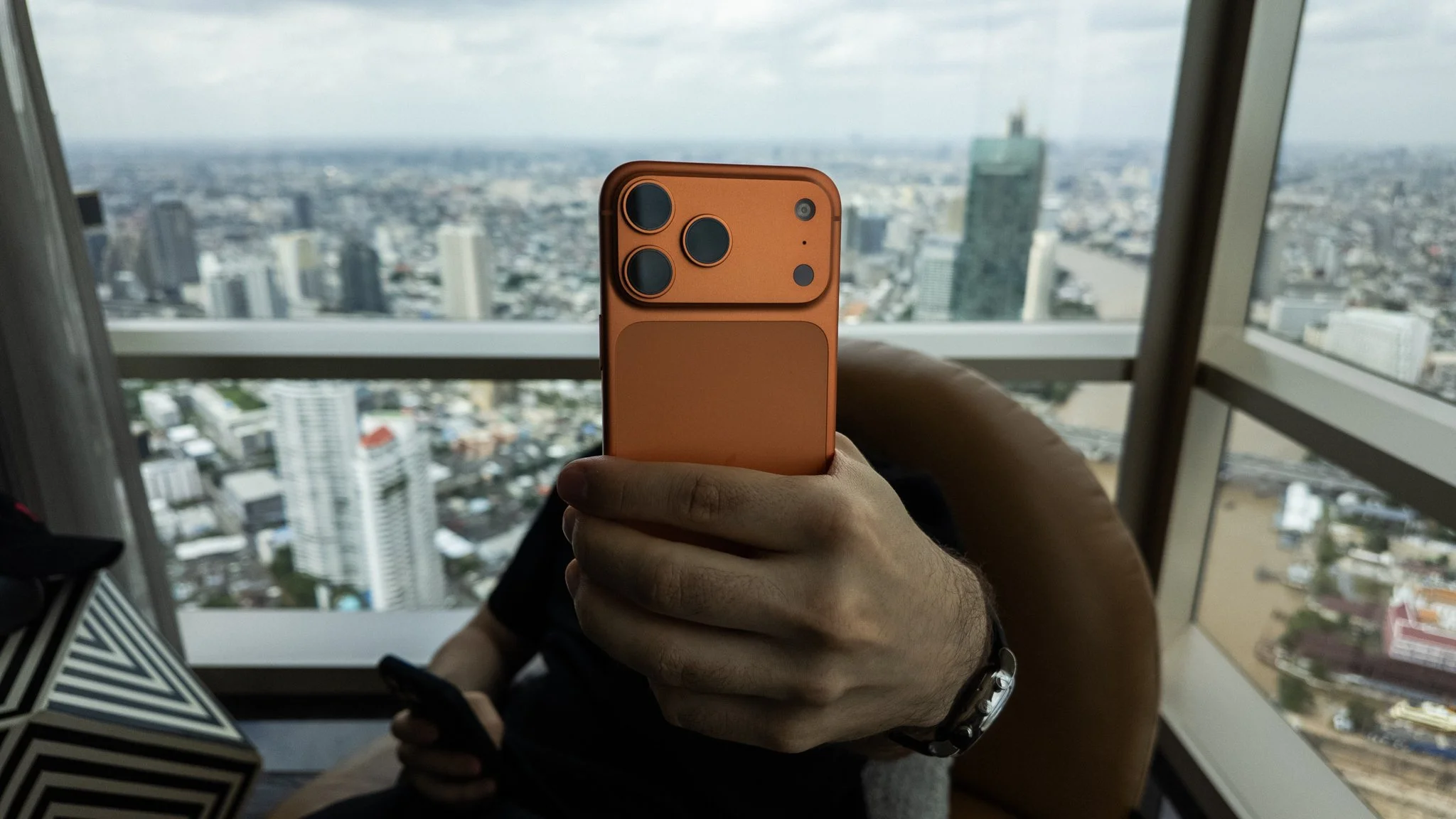
These days, I’m more and more excited about the upcoming new iPhone than I am about any kind of upcoming new camera.
That feels strange to say, because I’ve gone from shooting very professional, bulky, big cameras to preferring much more casual equipment. These days, I’m often more interested in shooting on an iPhone, or maybe something like the DJI Pocket 4 Pro that just came out, than I am in carrying around a traditional camera setup.
And honestly, I think this is one of the great things about ““the future.””
Even 10 years ago, being a photographer was still very much about having a big, expensive, bulky camera. Not just because people wanted one, but because you kind of had to have one. Phones were not quite there yet. If you wanted a serious result, you needed serious gear.
But the side effect of that was that gear itself could compensate a lot for skill. It separated photographers from everybody else. Having access to expensive equipment created a barrier between the people who could make certain kinds of images and the people who could not.
There is a lot of cynicism about social media and technology these days, because it is the easy culprit. It is the easy thing to blame for all of our problems. And of course, there is some truth to that.
But I think the positive side is that when everybody becomes a photographer, artists actually get to focus more on what really matters, which is the creative process.
The difference between having a professional camera, or even a semi-professional camera, and having a phone or a more casual camera used to be extremely noticeable. It used to be very significant. But every year, that difference becomes smaller and smaller.
In the last year or so, I’ve even stopped shooting RAW for the most part on my iPhone. Instead, I’ve actually switched to shooting Live Photos.
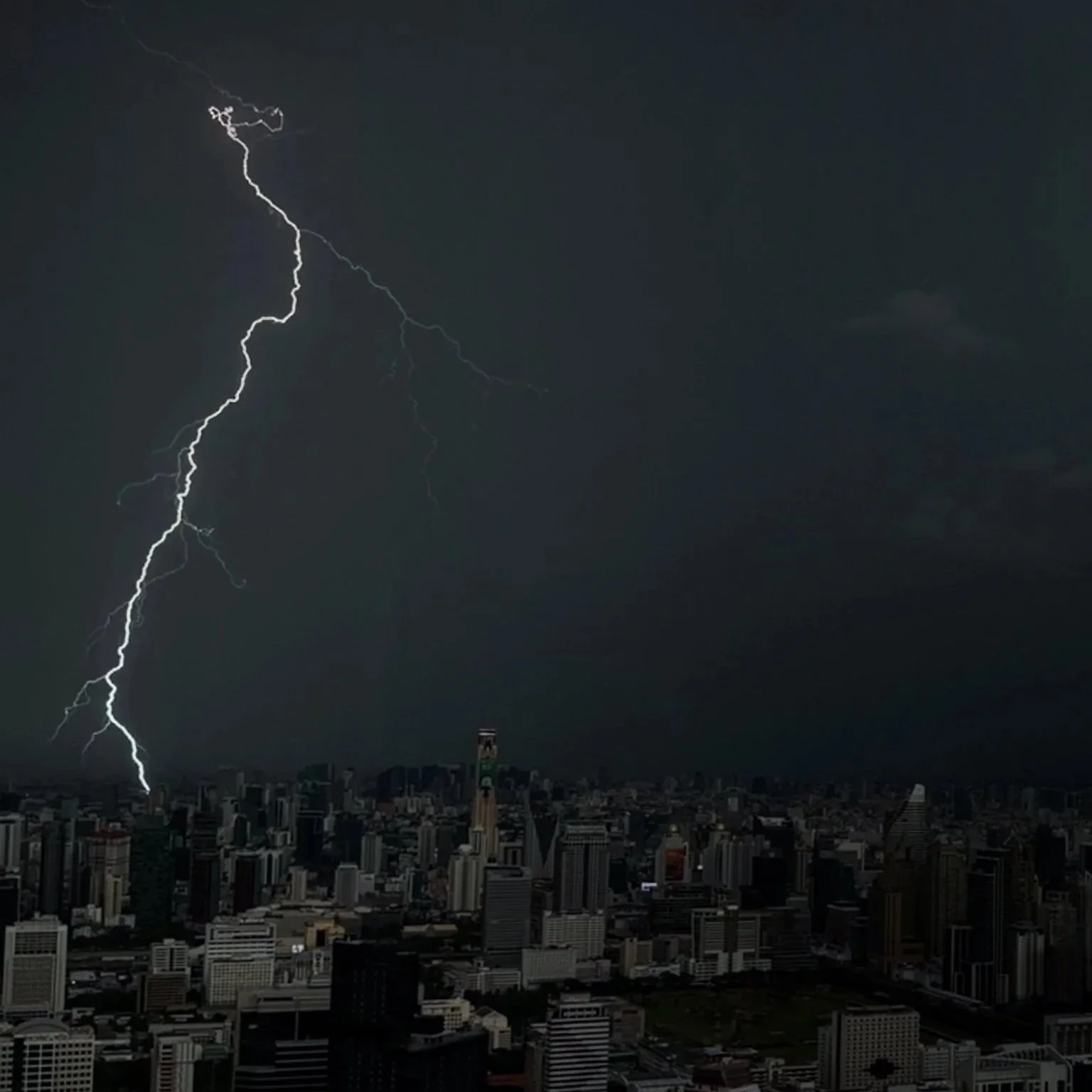
That might sound strange, but when it comes to the actual result, in a lot of cases being able to go back in time and choose the exact moment is more valuable than getting one extra stop of dynamic range when editing.
Of course, you can do burst photos on a big camera. But then the amount of files and storage that wastes, and the amount of extra steps that get added into the process, is significant. A lot of times, I just don’t want to do that if I’m shooting for artistic purposes, and for myself. Meaning, the image won’t be printed and it’s not some once-in-a-lifetime shot.
The same thing has happened with editing.
I’ve stopped shooting RAW on my phone often, partly because the dynamic range of phone photography on the latest iPhone 17 Pro is already so high that I don’t find it as necessary as I used to.
And instead of editing in Lightroom all the time, I actually really like editing on the iPhone itself. Literally in the built-in Photos app. I like editing there. (I still use Lightroom for my Sony photos and sometimes for iPhone, but not all the time like 1-2 years ago)
Editing on the phone itself helps me give the photos a more naturalistic look. I actually kind of like that they are iPhone photos. I like that they look like what we are used to, but refined.
Another reason I’m moving in this direction is AI.
In the past, having a specialized color grade was unusual, and it helped you stand out a lot. But now, if you specialize your look a little too much, it can very easily be confused with AI.
So AI is another curveball that modernity has thrown our way. It has made me prefer more casual and normal cameras. It has also made me want to edit things in a way that is maybe a little bit more realistic than what I used to do.
I’m not saying I always shoot on my phone. A lot of times, I don’t.
It really depends on what kind of end result we are going for. I still really like vintage lenses, for example. I also like the idea and concept of anamorphic lenses if we are going for a more cinematic and refined look, especially for something like a short film.
But I’m talking more about still photos or Instagram reels that are primarily going to be used for social media, while also being increasingly usable for other purposes. People used to not take social media seriously, but these days, that is where the impact and often the money actually is, especially if you master scale.
Especially because on the new iPhone, the 18 Pro, we are actually going to get variable aperture for the first time in history on a phone. The iPhone is already so far ahead in video stabilization and convenience, and this line is only going to continue to blur.
It’s funny, because maybe 10 years ago I had this idea. I really wished, and even slightly considered, starting a camera brand that would not run like a regular camera. It would run on Android.
The idea was that when you took a photo, it would immediately be uploaded into your Lightroom catalog, for example. You could do so many things like that if your camera was running a proper OS and had a Wi-Fi connection, while also still giving you interchangeable lenses, a bigger sensor size, and variable aperture.
I always wondered why Apple didn’t get into cameras, because that would be such a cool product.
And I still think that is the case. If Apple made a camera, it would immediately sell out and become the most popular camera out there, easily dethroning the x100v if it was even half decent.
But perhaps their long-term vision was exactly this. It just took a very long time to materialize. Ten years ago, this would have been really hard to imagine.
If I had started an Android camera company 10 years ago, it would finally be almost obsolete now, because we are really getting to a point where iPhones genuinely will be so close to a real camera.
Of course, if I’m shooting a short film or a documentary, I’m still going to get something like the Sony FX3. Even for YouTube videos that are a little bit more serious, I still understand the value of a proper camera.
But this line is only going to continue to blur.
Imagine 10 years FROM now? Honestly I doubt I’ll even be carrying around a cinema camera most days, although I can see myself and many others going backwards to film or early digital, a trend that is already happening.
And I think a lot of old photographers hate it because, honestly, perhaps they were relying on having equipment a little bit too much instead of developing a highly recognizable style.
A visual brand.
Something that would make them stand out even when everybody has access to a good camera.
But long story short - yes, an iPhone 17 Pro is absolutely enough already if you focus on the right things, instead of gear. See my previous blog article for some more thoughts on this.